
Cleanrooms represent the gold standard for contamination control in critical manufacturing and research environments. In the United Arab Emirates, where industries ranging from pharmaceuticals to semiconductors to biotechnology are experiencing rapid growth, cleanroom infrastructure has become indispensable.
The UAE cleanroom technology market demonstrates this critical importance. Valued at USD 10.11 billion in 2022, the market is projected to grow to USD 12.45 billion by 2029, reflecting sustained demand across multiple sectors. This growth is driven by stringent regulatory requirements, expanding pharmaceutical manufacturing, biotechnology innovation, and increasing investment in healthcare infrastructure.
A cleanroom is fundamentally a controlled environment where airborne particles, microorganisms, and other contaminants are maintained at levels ensuring product safety, regulatory compliance, and operational success. Unlike conventional laboratories or manufacturing spaces, cleanrooms employ sophisticated systems controlling temperature, humidity, air pressure, and filtration to maintain specified cleanliness levels.
Yet many organizations underestimate a critical component of cleanroom success: furnishing. The right cleanroom furnishing directly impacts contamination control, operational efficiency, regulatory compliance, and worker safety. From workstations and storage systems to specialized fixtures, cleanroom furniture must be engineered specifically for contamination-free environments.
This comprehensive guide explores cleanroom design, furnishing requirements, standards compliance, and best practices—providing the knowledge necessary to establish or upgrade cleanroom facilities in the UAE that meet the highest standards of contamination control and regulatory compliance.
Discover how IdeaLabs UAE's cutting-edge Cleanroom Design and Furnishing in UAE can support your facility's growth and innovation. Know More
- What is a Cleanroom? Understanding Controlled Environments
Definition and Purpose
A cleanroom is a specially constructed and maintained facility where airborne contamination—including dust, microorganisms, chemical vapors, and particulate matter—is controlled to specified levels. The primary purpose is protecting sensitive processes or products from contamination while protecting personnel from hazardous materials.
Cleanrooms are engineered environments combining multiple systems working in concert:
Air Handling and Filtration Systems form the foundation of cleanroom technology. HEPA (High-Efficiency Particulate Air) or ULPA (Ultra-Low Penetration Air) filters remove particulates from supply air before it enters the cleanroom. These filters capture particles as small as 0.3 micrometers with 99.97% efficiency. Sophisticated HVAC systems deliver filtered, temperature and humidity-controlled air into the cleanroom through carefully designed distribution systems.
Environmental Control Systems maintain precise temperature, humidity, and pressure conditions. Temperature is typically controlled to within ±2°C, humidity to within specific ranges (often 30-60% relative humidity depending on application), and pressure differentials to prevent unfiltered air infiltration. These tight controls protect both product integrity and personnel safety.
Cleanroom Architecture includes specially designed walls, ceilings, and flooring constructed from non-shedding, non-reactive materials. All surfaces must be easily cleanable and resistant to commonly used disinfectants. The absence of ledges, recesses, or horizontal surfaces where particles might accumulate is critical. Seamless construction prevents cracks where microorganisms could proliferate.
Personnel and Material Control Procedures strictly manage entry and exit of people and materials. Gowning areas (changing rooms) equipped with specialized cleanroom furniture allow personnel to don protective garments before cleanroom entry. Material air locks (MALs) and personnel air locks (PALs) with interlocked doors control material and personnel flow while maintaining pressure differentials.
Monitoring and Environmental Control Systems continuously verify that the cleanroom maintains specified cleanliness levels. Particle counters sample air at defined intervals and locations. Environmental monitoring tracks pressure differentials, temperature, humidity, and in pharmaceutical cleanrooms, microbial contamination.
- Cleanroom Classification and Standards
ISO 14644: The International Standard
ISO 14644 represents the globally accepted framework for cleanroom classification and control. This comprehensive standard establishes the requirements for designing, constructing, validating, and operating cleanrooms and controlled environments.
ISO 14644-1: Classification of Air Cleanliness
The foundational standard defines how cleanrooms are classified based on airborne particle concentration. Classification ranges from ISO Class 1 (most stringent, up to 10 particles ≥0.1 μm per cubic meter) to ISO Class 9 (least stringent, up to 35,200,000 particles ≥0.5 μm per cubic meter).
The classification methodology measures particles in specific size ranges using electronic particle counters. Measurements follow standardized protocols at "at rest" conditions (operating HVAC but no personnel or processes) and "in operation" conditions (normal work activity).
Common ISO Classifications and Applications:
ISO cleanroom classifications are established by the International Organization for Standardization (ISO) to define permissible particle concentrations in controlled environments, ensuring the level of cleanliness required for specific applications. These standards, primarily outlined under ISO 14644-1, categorize cleanrooms from ISO Class 1 to ISO Class 9 based on the concentration of airborne particles per cubic meter.
ISO Class 1 represents the highest level of cleanliness, allowing only up to 10 particles of 0.5 μm and 2 particles of 0.1 μm per cubic meter, making it ideal for nanotechnology and advanced research facilities where even the smallest contaminants can impact precision and performance.
ISO Class 2 permits slightly higher particle counts, supporting microprocessor manufacturing where extremely fine tolerances are necessary.
ISO Class 3 environments, allowing 35 particles of 0.5 μm and 8 of 0.1 μm per cubic meter, are commonly used in semiconductor manufacturing, ensuring defect-free microchip production.
In ISO Class 4 cleanrooms, particle limits are moderately higher, supporting applications such as pharmaceutical sterile filling and microelectronics assembly where strict contamination control remains crucial.
ISO Class 5 facilities, which allow 352 particles of 0.5 μm and 29 of 0.1 μm per cubic meter, are used in aseptic processing and high-precision pharmaceutical manufacturing. As the classification number increases, the allowable particle count also rises.
ISO Class 6 environments, with up to 3,520 particles of 0.5 μm per cubic meter, are suitable for electronic assembly and medical device manufacturing.
ISO Class 7 and ISO Class 8 cleanrooms serve less stringent environments. ISO Class 7, allowing 35,200 particles of 0.5 μm, is commonly found in pharmaceutical non-sterile production areas and hospital pharmacies, while ISO Class 8, which permits up to 352,000 particles, is used in non-critical pharmaceutical operations where basic contamination control is adequate.
The least restrictive, ISO Class 9, accommodates up to 3,520,000 particles of 0.5 μm per cubic meter and is typically applied to general industrial areas where only minimal cleanliness control is required.
Overall, ISO cleanroom classifications play a pivotal role in ensuring quality, safety, and performance across industries such as pharmaceuticals, biotechnology, electronics, aerospace, and healthcare. Selecting the appropriate ISO class is essential for maintaining operational efficiency, product integrity, and compliance with regulatory standards.
ISO 14644-2: Monitoring and Testing
This standard specifies methods for demonstrating that cleanrooms maintain their specified classification. It defines particle counting procedures, sampling locations, frequency, and acceptance criteria. ISO 14644-2 ensures cleanrooms continuously demonstrate compliance with classification requirements.
ISO 14644-4: Design and Construction
This standard provides guidelines for cleanroom design, layout, materials, HVAC systems, and commissioning. It addresses flow patterns, pressure cascades, zoning strategies, and material selection to achieve specified cleanliness levels.
ISO 14644-5: Operations
Operations standards define procedures for maintaining cleanrooms, including personnel practices, gowning protocols, cleaning procedures, and procedures preventing and responding to contamination events.
EU GMP and FDA Guidelines
Beyond ISO 14644, pharmaceutical cleanrooms in the UAE must comply with EU Good Manufacturing Practice (GMP) guidelines or FDA regulations if serving international markets.
EU GMP Annex 1 establishes Grades A through D for pharmaceutical manufacturing:
- Grade A: Highest risk areas where aseptic processing occurs (ISO Class 5 at rest and in operation)
- Grade B: Background environment for Grade A (ISO Class 5 at rest, ISO Class 7 in operation)
- Grade C: Areas where less critical processes occur (ISO Class 7 at rest, ISO Class 8 in operation)
- Grade D: Lowest cleanliness areas supporting manufacturing operations (ISO Class 8 at rest, ISO Class 8 in operation)
GMP requirements exceed ISO 14644 in certain aspects. For example, GMP specifies microbial contamination limits and more stringent environmental monitoring requirements than basic ISO classification.
UAE and Dubai-Specific Standards
In the UAE, cleanrooms must also comply with local regulatory requirements:
- Dubai Health Authority (DHA): Clinical and pharmaceutical cleanrooms must meet DHA specifications for healthcare facilities
- UAE Ministry of Health and Prevention (MOHAP): Pharmaceutical manufacturing facilities must comply with MOHAP regulations implementing EU GMP standards
- Dubai Municipality: Building and construction standards for cleanroom facilities
"Planning to build a new cleanroom or upgrade your existing controlled environment? Let IdeaLabs UAE design a custom cleanroom solution tailored to your industry standards. Schedule your free consultation today."
- Cleanroom Furnishing Requirements
Material Specifications
Cleanroom furnishing differs fundamentally from conventional furniture. Every material, finish, and component must be carefully selected to prevent contamination.
Non-Shedding Materials
Cleanroom furniture cannot generate particles. Surfaces must be constructed from materials that do not shed dust, flake, corrode, or deteriorate under cleaning and disinfection. Common approved materials include:
- Stainless Steel (304 or 316 grade): Superior durability, non-porous, resistant to corrosion and cleaning agents, easily sterilizable
- Polypropylene and Polyethylene: Chemical and moisture resistant, non-shedding, cost-effective, suitable for storage and enclosures
- High-Pressure Laminate (HPL): Durable surface layer with good cleanability and resistance to chemicals
- Melamine Coatings: Smooth, cleanable surfaces on wooden substrates (though wood is generally avoided in highest-classification cleanrooms)
- Trespa Materials: Non-shedding synthetic materials with excellent chemical resistance and durability
- Vinyl and Polyurethane: For seating upholstery; these sealed materials prevent particulate generation and are easily cleaned
Surface Finishes
All surfaces must be smooth, non-porous, and easily cleanable:
- Seamless Construction: Eliminates cracks, crevices, and recesses where bacteria could proliferate
- Rounded Corners and Edges: Prevents dust accumulation and reduces injury risks
- No Horizontal Ledges: Eliminates surfaces where particles settle
- Flush-Fit Design: Components fit tightly together without gaps
- Chemical Resistance: Surfaces must withstand repeated exposure to disinfectants and cleaning agents without degradation
Specific Cleanroom Furniture Requirements
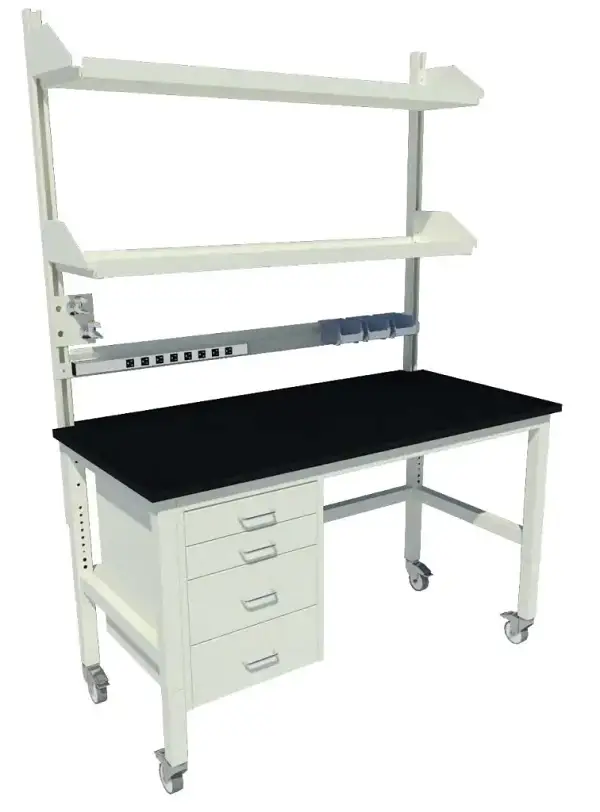
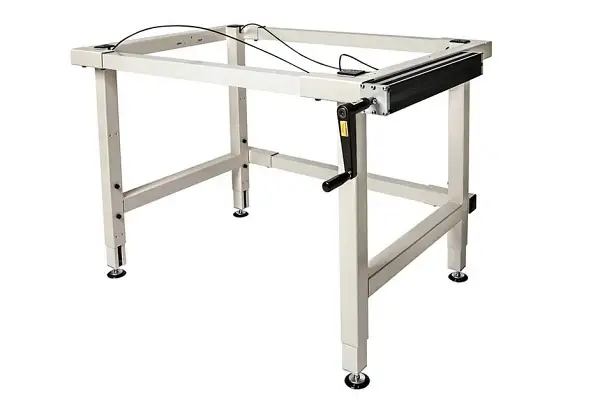
Cleanroom Workstations
Workstations in cleanrooms require specialized engineering:
- Stable, Vibration-Resistant Design: Prevents disturbance of sensitive processes
- Non-Outgassing Materials: Especially critical in semiconductor cleanrooms, materials must not release chemical vapors
- Adjustable Height Options: Accommodates different personnel and ergonomic needs while maintaining contamination control
- Modular Construction: Allows customization for different processes
- Integrated Service Points: Accommodates utilities (electrical, gas, water) without creating penetrations that compromise cleanliness
Cleanroom Seating
Cleanroom chairs and stools must balance comfort, contamination control, and ergonomics:
- Non-Porous Upholstery: Vinyl or polyurethane (never fabric)
- Sealed Foam Cushions: Prevents particles from being forced into the cleanroom when personnel sit
- Height Adjustability: Allows proper ergonomic positioning at workstations
- ESD-Safe Options: In semiconductor and electronics cleanrooms, electrostatic discharge protection
- Easy-to-Clean Design: Smooth surfaces allowing quick disinfection between shifts
Gowning Benches
Specialized benches in gowning areas (changing rooms) facilitate proper donning of protective equipment:
- Dual-Height Design: Typically 45cm height for sitting while removing street clothes, changing to cleanroom garments
- Coat Hooks and Storage: Organize personal items and cleanroom clothing
- Non-Shedding Construction: HPL or melamine surfaces preventing contamination of clean garments
- Integrated Shoe Racks: Separate contaminated street shoes from clean areas
- Mirror and Lighting: Ensures proper garment fit before cleanroom entry
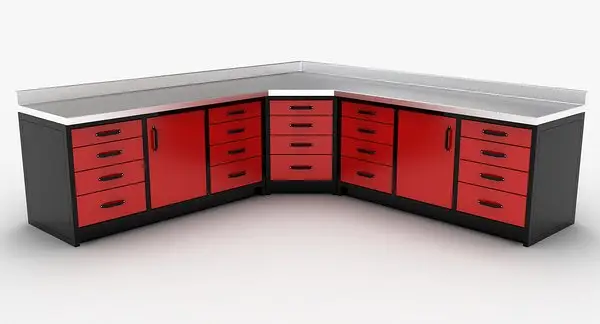
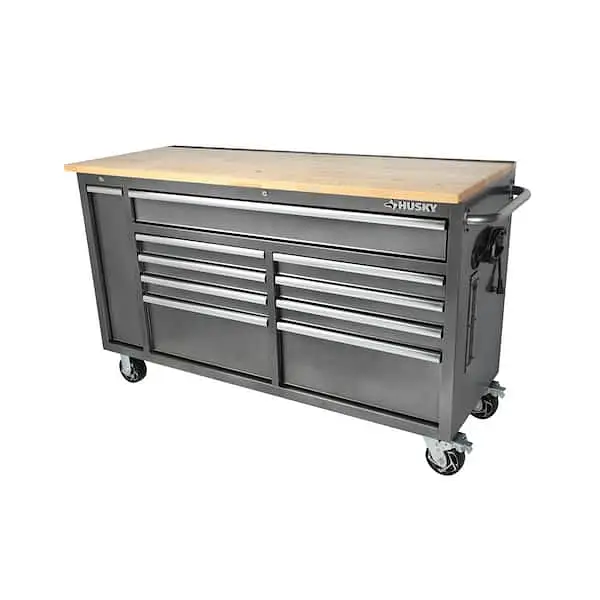
Storage Systems
Cleanroom storage must secure materials while preventing contamination:
- Stainless Steel or Polypropylene Lockers: Secure personal items or materials without generating particles
- Closed Cabinets: Protect stored materials from ambient air contamination
- Bin Systems: Organize and store materials with easy identification and retrieval
- Mobile Carts: For transporting materials through airlocks
- Modular Shelving: Flexible reconfiguration as needs change
Pass-Through Boxes and Material Airlocks
These specialized fixtures transfer materials between cleanroom and non-cleanroom environments:
- Double-Door Design: Interlocked doors ensure only one door opens at a time
- Stainless Steel Construction: Durable and easily disinfected
- UV-C Sterilization Option: In high-classification cleanrooms, UV sterilization during transfer
- Wipeable Interior Surfaces: All internal surfaces designed for chemical disinfection
- Industry Applications for Cleanrooms in UAE
Pharmaceutical Manufacturing
The pharmaceutical sector represents the largest cleanroom application in the UAE, driven by the nation's strategic focus on becoming a regional pharmaceutical hub.
Sterile Manufacturing Operations
Pharmaceutical cleanrooms for sterile drug manufacturing represent some of the most stringent applications. Aseptic processing—where sterile products are manufactured without sterilization afterward—requires ISO Class 5 or Grade A cleanliness in critical areas. The slightest contamination could render entire batches non-compliant or unsafe for patients.
Typical pharmaceutical cleanroom zones include:
- Material Preparation Area (Grade D/ISO 8): Where non-sterile pharmaceutical materials are prepared
- Solution Preparation (Grade C/ISO 7): Sterile solutions prepared and filtered
- Aseptic Filling Area (Grade A/ISO 5): Highest cleanliness where sterile products are filled into containers
- Capping/Sealing Area (Grade B/ISO 7 in operation): Where containers are sealed
- Quality Control Laboratory (Grade D-C/ISO 8-7): Where samples are tested
Quality Control and Testing
Pharmaceutical manufacturers operate dedicated cleanrooms for quality control testing, content verification, microbial analysis, and stability studies. These typically require ISO Class 7-8 cleanliness depending on specific testing protocols.
Vaccine and Biopharmaceutical Production
With growing biotechnology investment in the UAE, vaccine and biopharmaceutical manufacturing requires specialized cleanrooms with integrated biocontainment features. These facilities often combine ISO Class 5 classification with additional safety measures protecting both product and personnel.
Biotech and Life Sciences Laboratories
The UAE's expanding biotechnology sector relies on cleanroom environments for:
Cell Culture and Tissue Engineering
These applications require ISO Class 5-6 cleanliness with specialized environmental controls (temperature stability ±1°C, humidity 40-50% RH) and integrated biosafety cabinets. Furnishing must support incubators, centrifuges, microscopes, and analysis equipment while maintaining sterility.
Microbiological Analysis
Microbiology cleanrooms typically require ISO Class 7-8 cleanliness for culture preparation and analysis. Furnishing includes specialized storage for culture media, sterile inoculation workstations, and sample organization systems.
Molecular Biology and Genetics
DNA and RNA analysis requires ISO Class 7-8 cleanrooms preventing PCR (polymerase chain reaction) contamination. Lab furnishing must accommodate PCR machines, centrifuges, thermal cyclers, and sample storage systems.
Semiconductor and Electronics Manufacturing
While semiconductor manufacturing in the UAE is limited, it remains important for components used in telecommunications, defense systems, and medical devices.
Microprocessor and Chip Manufacturing
These facilities require some of the most stringent contamination control. ISO Class 4-5 cleanrooms are standard, with some processes requiring ISO Class 1-3. Even single particles at the 0.1 micrometer level can cause defects in modern chip manufacturing.
Environmental controls are extraordinarily tight:
- Temperature: 19°C to 23°C (±1°C maximum variation)
- Humidity: 30-50% relative humidity (±0.5% variation)
- Air changes per hour: 4,000+ CFM
Semiconductor Equipment Assembly
Electronic components destined for critical applications (aerospace, military, medical) require cleanroom assembly to prevent defects. ISO Class 6-7 cleanrooms are typical, with ESD-safe furnishing preventing electrostatic discharge damage to components.
Medical Device Manufacturing
The UAE's growing medical device industry operates cleanrooms for:
Implantable Device Manufacturing
Orthopedic implants, cardiac devices, and surgical instruments require ISO Class 5-6 cleanrooms ensuring sterility and preventing defects. Furnishing supports precision assembly, inspection, and packaging equipment.
Diagnostic Device Manufacturing
Laboratory diagnostic devices, test kits, and analytical instruments require ISO Class 6-8 cleanrooms depending on specific device classification and criticality.
Food Safety and Beverage Manufacturing
Selected food and beverage products require cleanroom processing:
Nutritional Supplements and Nutraceuticals
High-end supplements and probiotics often require ISO Class 7-8 cleanrooms preventing microbial contamination and ensuring purity.
Specialized Beverage Products
Premium beverages sometimes employ cleanroom bottling to extend shelf life and ensure product safety, typically ISO Class 7-8.
Research Institutions
The UAE's government research centers and university laboratories increasingly incorporate cleanroom facilities:
Materials Science and Nanotechnology
Advanced materials research often requires ISO Class 5-7 cleanrooms preventing particle contamination of samples during synthesis and testing.
Environmental Analysis and Testing
Water quality analysis, air monitoring, and environmental testing laboratories may include ISO Class 7-8 cleanrooms ensuring accurate results unaffected by ambient contamination.
Government Laboratories
Healthcare, environmental monitoring, and forensic laboratories operated by UAE government agencies utilize cleanroom facilities for sensitive testing and analysis.
- Cleanroom Design Best Practices
Zoning Strategy
Effective cleanroom design employs hierarchical zoning—progressively cleaner areas where increasingly sensitive operations occur.
Pressure Cascade
The cleanroom should be maintained at higher pressure than surrounding areas, with progressively higher pressure in cleaner zones. This ensures air flows from cleaner to less clean areas, preventing backflow of contaminated air.
Unidirectional Airflow
Vertical Laminar Flow (air flows from ceiling to floor) is standard for pharmaceutical and life sciences cleanrooms. Horizontal Laminar Flow is employed in specific applications. Unidirectional airflow prevents turbulence and ensures predictable contamination control.
Gowning Area Sequence
Personnel passage through graduated gowning areas progressively removes contamination:
- Ambient Street Clothes Area: Personnel enter in normal clothing
- First Gown Room: Personnel remove street clothing, don initial protective garments (head cover, gown)
- Second Gown Room: Personnel don booties, gloves, and final protective equipment
- Air Shower: High-velocity filtered air removes remaining particles from clothing
- Cleanroom Entry: Personnel enter final cleanroom environment
Material and Personnel Airlocks
Material Air Locks (MALs) and Personnel Air Locks (PALs) with interlocked double doors control entry and exit while maintaining pressure differentials. These prevent pressure equalization between cleanroom and non-cleanroom environments.
Workflow Optimization
Cleanroom layout should minimize movement and prevent cross-contamination:
- Unidirectional personnel and material flow
- Separation of "dirty" (entry) and "clean" (exit) paths
- Strategic placement of equipment and workstations
- Minimal movement between high-cleanliness and low-cleanliness zones
Critical Penetrations
All openings—for utilities, drainage, or air distribution—must be sealed to prevent contamination pathways:
- Pipes pass through with sealed penetrations
- Drainage includes traps and backflow prevention
- Electrical and data cables pass through sealed conduits
- HVAC ductwork includes sealed connections
"Ensure your cleanroom meets all regulatory compliance requirements while maximizing performance and efficiency. IdeaLabs UAE specialists are experts in UAE regulations and international cleanroom standards. Contact us today for professional guidance."
- Cleanroom Furnishing Materials and Features
Advanced Material Technologies
Modern cleanroom furnishing incorporates sophisticated materials engineered for contamination control:
Trespa® and Formica® Laminates
These high-pressure laminates provide:
- 24-hour chemical resistance
- Bacterial growth prevention
- Wear and scratch resistance
- Easy cleaning and disinfection
- Impact resistance
Anti-Microbial Surfaces
Copper-infused and silver-ion materials incorporated into some furnishing inhibit bacterial growth without requiring toxic coatings.
ESD-Safe Materials
Semiconductor and electronics cleanrooms incorporate static-dissipative surfaces:
- Conductive flooring and work surfaces
- ESD-safe seating
- Grounding fixtures
- Personnel monitoring systems
Modular and Flexible Systems
Modern cleanroom furnishing emphasizes modularity:
Prefabricated Components
Walls, ceiling systems, and fixtures arrive pre-engineered and validated, reducing installation time and ensuring consistency.
Quick-Assembly Systems
Press-fit connections without welding enable rapid assembly and disassembly. Modular design allows reconfiguration as processes evolve without complete replacement.
Scalability
Systems expand or contract as facility needs change, avoiding redundant replacement of unchanged components.
Integrated Services
Modern furnishing systems integrate utilities seamlessly:
- Cable Management: Electrical and data cables routed through integrated systems
- Gas Supply: Compressed air, nitrogen, or specialty gases delivered through sealed connections
- Vacuum Systems: Integrated vacuum ports at workstations
- Drainage: Sealed plumbing preventing backflow or contamination
Ergonomic Integration
Cleanroom furnishing increasingly emphasizes worker wellness:
- Height Adjustability: Workstations adjust to ergonomic positions
- Standing Options: Alternative working positions reducing strain
- Seating Design: Balance contamination control with comfortable support
- Lighting Integration: Proper illumination reducing eye strain
- GMP Compliance in Pharmaceutical Cleanrooms
Good Manufacturing Practice Standards
GMP represents regulatory requirements ensuring pharmaceutical products are manufactured safely and consistently. While ISO 14644 defines cleanliness levels, GMP specifies additional operational, documentation, and safety requirements.
Environmental Monitoring Requirements
GMP specifies rigorous monitoring beyond basic ISO classification:
Particle Monitoring
- Continuous or frequent particle counting in Grade A and B areas
- Real-time alarms when particle limits are exceeded
- Documentation of particle counts for regulatory records
Microbial Monitoring
Microbial monitoring is a critical component of Good Manufacturing Practice (GMP) guidelines, ensuring that cleanroom environments maintain the required levels of sterility and contamination control during pharmaceutical and biotechnological production. GMP classifies cleanroom environments into Grades A through D, each with defined limits for microbial contamination based on air samples, settle plates, and contact plates.
Grade A represents the most stringent level of cleanliness, typically applied to high-risk operations such as aseptic filling or open product handling. In this environment, microbial contamination must remain below one colony-forming unit (CFU) per cubic meter of air, per four-hour settle plate, and per contact plate, effectively maintaining near-sterile conditions. Grade B, often used for background areas supporting Grade A zones, allows up to 10 CFU per cubic meter of air, 5 CFU per four-hour settle plate, and 5 CFU per contact plate, while still maintaining tight contamination control.
In less critical areas, Grade C environments are used for preparation and filling of non-sterile products, with permissible microbial levels reaching 100 CFU per cubic meter of air, 50 CFU per settle plate, and 25 CFU per contact plate. Grade D, which represents the least stringent classification under GMP, allows up to 200 CFU per cubic meter of air, 100 CFU per settle plate, and 50 CFU per contact plate, suitable for general cleanroom operations where strict aseptic control is not required.
These classifications provide a structured framework for maintaining environmental cleanliness across various stages of pharmaceutical manufacturing. Adhering to microbial monitoring standards not only ensures compliance with regulatory requirements but also safeguards product quality and patient safety by preventing contamination risks during production.
Environmental Controls
GMP requires:
- Continuous monitoring of temperature and humidity
- Pressure differential monitoring and alarms
- Documentation and trending of environmental data
- Investigation and corrective action when limits are exceeded
Segregation and Material Handling
Personnel Gowning
GMP specifies strict gowning protocols ensuring personnel don't introduce contamination:
- Protective garments appropriate to cleanroom grade
- Procedures preventing contamination during gowning
- Hand hygiene procedures
- Exit protocols preventing tracking contamination out of cleanroom
Material Control
- Materials used in cleanroom must not shed or shed-resistant
- Packaging must be removable outside cleanroom
- Incoming materials must not introduce contamination
Change Control and Validation
IQ/OQ/PQ Protocol
Cleanrooms must undergo Installation Qualification (IQ), Operational Qualification (OQ), and Performance Qualification (PQ):
- IQ: Verification that cleanroom was constructed to design specifications
- OQ: Verification that cleanroom operates within design parameters under defined conditions
- PQ: Verification that cleanroom maintains product quality under normal operating conditions
Documentation
GMP requires comprehensive documentation:
- As-built cleanroom specifications
- Validation reports and protocols
- Environmental monitoring trends
- Maintenance and calibration records
- Change documentation for any modifications
- Cleanroom Validation and Maintenance
Initial Qualification
Before cleanroom operation, qualification testing establishes baseline performance:
DOP Testing (Dioctyl Phthalate)
HEPA filter integrity testing using challenge aerosol demonstrates that filters perform to specification (99.97% capture efficiency for particles ≥0.3 μm).
Airflow Mapping
Smoke visualization demonstrates that air flows as designed—unidirectional from clean to less-clean areas, preventing backflow or dead zones.
Particle Counting
Initial particle counts establish that the cleanroom achieves specified classification under defined conditions (at rest and in operation).
Microbial Sampling
For pharmaceutical cleanrooms, initial microbial sampling establishes baseline contamination levels and validates the cleanroom can meet specifications.
Ongoing Maintenance
Cleanroom maintenance ensures continued compliance:
Scheduled Maintenance
- HEPA filter replacement (typically 1-2 years depending on usage)
- HVAC system inspection and cleaning
- Environmental control system calibration
- Equipment servicing and validation
Cleaning Protocols
Cleanroom surfaces must be cleaned regularly using disinfectants appropriate to the classification level:
- Grade A/B: Daily cleaning with validated disinfectants
- Grade C: Weekly cleaning
- Grade D: Routine cleaning as appropriate
All cleaning materials must be non-shedding and compatible with cleanroom surfaces.
Environmental Monitoring
Ongoing particle and microbial monitoring ensures the cleanroom continues to meet specified cleanliness levels. Trending data identifies degradation trends requiring intervention.
"Looking for cleanroom solutions that combine safety, precision, and sustainability? Discover IdeaLabs UAE’s advanced cleanroom designs engineered for modern controlled environments."
- Selecting the Right Cleanroom Furnishing Partner
Critical Selection Criteria
Choosing a cleanroom furnishing provider is a significant decision impacting facility performance, regulatory compliance, and operational costs.
Cleanroom-Specific Expertise
The ideal partner should demonstrate deep knowledge of cleanroom requirements across multiple applications and regulations. Generic furniture suppliers cannot adequately understand the specialized needs of cleanroom environments.
Material Expertise
Verify that the partner understands cleanroom material requirements, can specify appropriate materials for your classification level, and provides documentation proving compliance with ISO 14644 material specifications.
Quality Certifications
Seek partners with certifications demonstrating quality manufacturing:
- ISO 9001:2015 (Quality Management)
- ISO 14644 compliance documentation
- GMP experience for pharmaceutical applications
- Material certifications (FDA, EU compliance)
Customization Capabilities
Cleanrooms have unique requirements. Select providers offering:
- Custom design services tailored to your processes
- Integration with specialized equipment
- Flexibility to accommodate future process modifications
- Expert consultation optimizing cleanroom layout
Installation and Validation Support
Select partners providing:
- Professional installation by trained personnel
- Coordination with cleanroom HVAC and utility systems
- Support during IQ/OQ/PQ validation
- Documentation for regulatory submissions
Post-Installation Support
Cleanroom success requires ongoing support:
- Maintenance coordination
- Component replacement
- Troubleshooting and optimization
- Emergency service availability
Why IdeaLabs UAE is Your Ideal Cleanroom Furnishing Partner
IdeaLabs UAE brings unique advantages to cleanroom furnishing projects:
Specialized Cleanroom Expertise
As a pioneer in laboratory innovations across the MENA region, IdeaLabs specializes in laboratory and cleanroom furnishing. This exclusive focus means deep understanding of cleanroom requirements, international standards, and regional regulatory compliance.
Direct Manufacturing
IdeaLabs manufactures cleanroom furnishing directly, enabling:
- Greater customization than distribution-based competitors
- Superior quality control throughout manufacturing
- Cost efficiency through eliminated middlemen
- Rapid prototyping and adaptation to specific requirements
ISO 14644 Compliance
All IdeaLabs cleanroom furnishing complies with ISO 14644 specifications:
- Non-shedding, non-reactive materials
- Seamless construction preventing particle accumulation
- Certified documentation for regulatory submissions
- Expertise in pharmaceutical GMP, EU standards, and UAE MOHAP requirements
Modular and Flexible Design
IdeaLabs' modular systems offer:
- Rapid installation minimizing facility downtime
- Reconfiguration capability as processes evolve
- Scalability for facility expansion
- Integration with specialized equipment
Innovation and Sustainability
IdeaLabs remains at the forefront of cleanroom innovation:
- Advanced anti-microbial surface options
- ESD-safe materials for semiconductor applications
- Sustainable materials and energy-efficient design
- Smart integration capabilities for future advancement
Comprehensive Support
From design through validation and ongoing maintenance, IdeaLabs provides:
- Expert consultation optimizing facility design
- Professional installation minimizing disruption
- Coordination with cleanroom HVAC and controls
- Ongoing maintenance and support services
Empower Your Cleanroom with IdeaLabs UAE
Whether you're establishing a new pharmaceutical cleanroom, upgrading biotech facilities, or implementing semiconductor manufacturing areas, IdeaLabs UAE delivers the expertise, quality, and innovation your facility requires.
Contact IdeaLabs UAE to discuss your cleanroom requirements. Our specialists will evaluate your processes, regulatory requirements, and facility constraints—recommending optimized furnishing solutions supporting your facility's mission.
- Future of Cleanroom Technology in UAE
Emerging Trends
Digital Integration and Smart Cleanrooms
Future cleanrooms increasingly incorporate IoT sensors, artificial intelligence, and real-time analytics:
- Environmental parameter monitoring with predictive maintenance
- Automated contamination response systems
- Integration with facility management systems
- Real-time data accessible to regulatory bodies
Modular and Portable Solutions
Advanced modular cleanroom systems enable rapid deployment and reconfiguration. Contract manufacturers, clinical laboratories, and research institutions benefit from flexible solutions adapting to changing needs.
Sustainability and Energy Efficiency
As the UAE pursues sustainability goals (70% carbon emission reduction by 2050), cleanroom technology evolves:
- High-efficiency HVAC systems reducing energy consumption
- Variable speed fans adjusting to actual demand
- Sustainable materials and manufacturing processes
- Lifecycle optimization reducing environmental impact
Nanotechnology and Advanced Materials
New materials offer improved performance:
- Nanostructured surfaces with superior cleanability
- Self-cleaning surfaces reducing cleaning chemical requirements
- Low-outgassing materials enabling new applications
- Materials supporting extreme temperature or humidity conditions
Specialized Applications
Emerging cleanroom applications create new furnishing requirements:
- Gene therapy manufacturing requiring ISO Class 4-5 conditions
- Advanced cell therapies with living product requirements
- Cannabis and plant tissue culture requiring specialized contamination control
- Advanced packaging for vulnerable products
Conclusion
Cleanrooms represent critical infrastructure for industries driving UAE's economic diversification and innovation. From pharmaceutical manufacturers ensuring drug safety to semiconductor facilities producing advanced electronics to research institutions advancing scientific knowledge, cleanrooms enable the contamination control essential for success.
Yet cleanroom excellence depends on more than sophisticated HVAC systems and environmental controls. The furnishing selected—the workstations where scientists conduct analysis, the storage systems organizing materials, the gowning benches where personnel prepare for cleanroom entry—directly impacts contamination control, regulatory compliance, and operational efficiency.
Investing in the right cleanroom furnishing represents investment in facility performance, regulatory compliance, and operational success. IdeaLabs UAE, as a pioneer in MENA laboratory innovations with exclusive expertise in cleanroom furnishing, understands the critical importance of this choice.
Whether you're establishing new cleanroom capacity or upgrading existing facilities, selecting a partner combining deep cleanroom expertise, manufacturing excellence, and commitment to innovation ensures your facility achieves contamination control excellence.
Ready to Build Your Ideal Cleanroom?
Contact IdeaLabs UAE today to schedule a comprehensive cleanroom assessment. Our specialists will evaluate your facility requirements, regulatory compliance needs, and operational constraints—recommending optimized furnishing solutions ensuring your cleanroom success.
Transform your cleanroom into a contamination control powerhouse with IdeaLabs UAE.
"Transform your cleanroom today. Contact IdeaLabs UAE to schedule a consultation with our cleanroom design specialists. Let’s build a controlled environment where precision and innovation thrive."